Viking dishwashers are known for their premium performance, powerful cleaning systems, and luxury design. But like any high-end appliance, they depend on reliable water flow to function properly. When something interrupts the water supply, the dishwasher cannot wash dishes effectively—and that’s when Viking Dishwasher Error Code 1 appears.
This error indicates a water inlet problem, one of the most common issues homeowners face. It can stem from something simple, such as a closed valve, or something more complex, like a failed inlet valve or faulty float switch.
Because the dishwasher must fill properly before the wash cycle begins, diagnosing this issue quickly is important. Continuing to run a dishwasher with inadequate water flow can cause poor cleaning results, pump strain, and sensor problems.
What does Viking Dishwasher Error Code 1 mean?
Viking Dishwasher Error Code 1 signals that the dishwasher is not receiving the correct amount of water during the fill cycle. The machine monitors incoming water through internal sensors and expects the tub to reach a specific level within a set time.
If water does not enter—or enters too slowly—the dishwasher stops operation and displays the error for safety and performance protection.
Common causes of Error Code 1 include:
Water supply valve partially or fully closed
Kinked, pinched, or crushed inlet hose
Clogged inlet screen or sediment buildup
Low household water pressure
Failed water inlet valve (electrical or mechanical failure)
Float switch stuck in the “up” (full) position
The dishwasher uses sensors, timers, and a float switch to determine when enough water has entered the tub. When any part of this system stops working correctly, the control board triggers Error Code 1 to prevent dry operation or overheating.
Symptoms of water inlet issues
Before the error displays, you may notice performance problems or unusual behavior. Common symptoms include:
Dishwasher starts but does not fill with water
A humming noise from the inlet valve but no water entering
Dishes still dirty or barely wet after the cycle
Error Code 1 appears early or mid-cycle
Dishwasher runs for only a few seconds before shutting down
Unusual buzzing or clicking sounds near the water valve
These signs help confirm that the problem is related to water flow rather than drainage, heating, or electrical failure.
Step-by-step troubleshooting guide
These troubleshooting steps are safe for most homeowners and require no specialized tools. They address the most common and easily fixable causes of Viking dishwasher water inlet problems.
Step 1: Check the Water Supply Valve
Locate the valve beneath the sink or wherever the dishwasher’s water line connects.
Make sure the valve is fully open.
Partially closed valves are the number-one cause of Error Code 1.
If you recently had plumbing work done, this should be the first thing you check.
Step 2: Inspect the Inlet Hose
Look behind the dishwasher for any signs of:
Kinks
Bends
Flattened or crushed sections
Even a partial kink can dramatically reduce water flow. Straighten the hose and ensure it has room to move freely during installation.
Step 3: Examine the Inlet Screen
Sediment from household plumbing can clog the screen inside the inlet valve.
Steps:
Turn off the water supply.
Disconnect the inlet hose.
Inspect the small metal mesh inside the valve.
Use a toothbrush or soft brush to remove debris.
A blocked inlet screen is a very common cause of slow filling.
Step 4: Confirm Household Water Pressure
Viking dishwashers require adequate pressure for proper filling.
Normal water pressure: 40–120 psi
Low pressure can prevent the dishwasher from filling fast enough
If other faucets in the home are running slowly, you may have a home-wide pressure issue.
Step 5: Reset the Dishwasher
Sometimes a software glitch triggers the error code.
Unplug the dishwasher for 5 minutes, OR
Turn off the circuit breaker for 5 minutes
Reconnect power and start a quick cycle to see if water begins to flow normally.
Step 6: Check the Float Switch
The float switch prevents overfilling. If it is stuck in the raised position, the dishwasher will think it is already full and will not allow water in.
Open the dishwasher door
Locate the float (a small plastic dome or lever)
Make sure it moves freely up and down
Remove debris or food particles underneath it
If the float cannot drop to its normal position, the dishwasher cannot fill.
If water still doesn’t enter the dishwasher…
The problem likely involves:
A failed water inlet valve (very common)
A faulty float switch
Damaged wiring
A defective control board
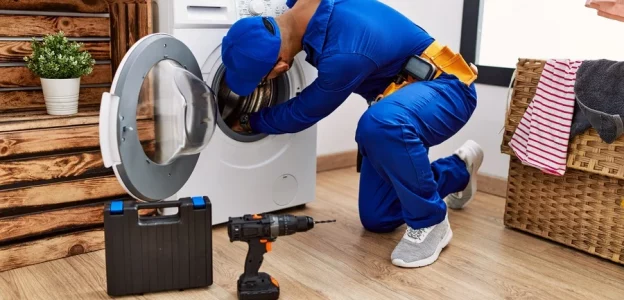
At this stage, a professional technician should diagnose the issue.
When to call a professional technician
Some water inlet failures require specialized testing equipment and electrical knowledge. Call a professional if:
The inlet valve receives power but does not open
The wiring to the valve or float switch is damaged
The dishwasher has normal water pressure but still won’t fill
Error Code 1 returns after basic troubleshooting
The control board does not detect water entering the tub
There are signs of internal leaks or corrosion
What a professional technician can do:
Test electrical continuity of the water inlet valve
Measure actual water flow rate into the dishwasher
Diagnose wiring or sensor failures
Replace faulty valves, float switches, or control modules
Identify internal blockages inside the appliance
Check for plumbing cross-connection issues
Because Viking dishwashers are premium, high-performance units, proper diagnosis and repair by a trained technician ensures long-term reliability and protects your investment.
Preventing future water inlet problems
Simple maintenance habits can prevent most Viking dishwasher water supply issues.
Clean inlet screens regularly to remove sediment
Ensure hoses are not bent or crushed behind the unit
Run hot water at the sink before starting the dishwasher
Use descaling treatments if you have hard water
Inspect hoses and valves annually
Maintain proper household water pressure
Keep the dishwasher level to ensure proper float switch operation
Prevention not only reduces the risk of Error Code 1 but also extends the life of internal components.
Conclusion
Viking Dishwasher Error Code 1 indicates a water inlet failure caused by supply restrictions, clogged screens, sensor issues, or a malfunctioning inlet valve. Many of these problems can be corrected with simple checks, but persistent or recurring issues typically require professional diagnosis.
Acting quickly ensures your Viking dishwasher continues to deliver the premium cleaning performance it was designed for while preventing long-term damage to internal components.