This issue can interrupt cycles, prevent spinning, or stop the washer from operating altogether. Because drum speed control is critical for both cleaning performance and safety, the washer will pause operation when this error occurs.
What does Whirlpool error code F7 E1 mean?
The F7 E1 error code indicates a motor speed sensing issue. In simple terms, the washer’s control system cannot verify that the drum is rotating at the expected speed during operation. This system relies on several key components working together:
- Drive motor – Powers the drum rotation
- Motor speed sensor (tachometer) – Measures how fast the motor spins
- Control board – Interprets speed data and adjusts performance
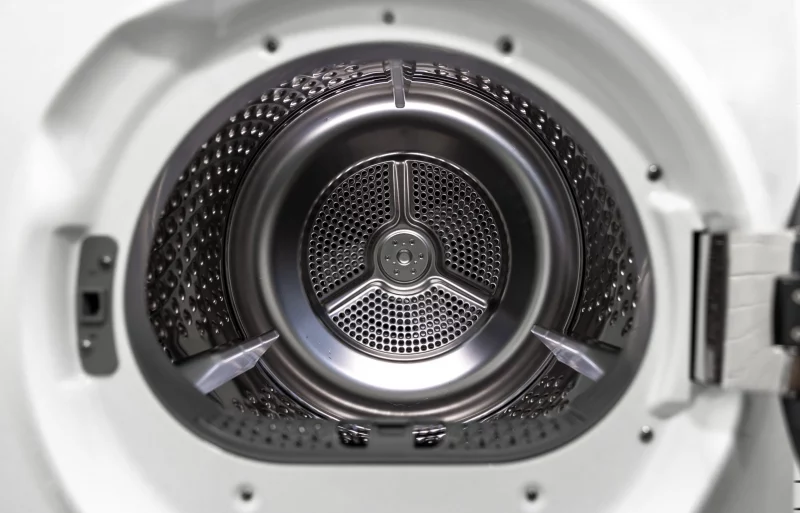
- Drum assembly – Transfers motor movement to the laundry load
During a wash or spin cycle, the control board continuously monitors motor speed. If the sensor does not report accurate data — or if the motor cannot reach the required speed — the system triggers the error. This safeguard prevents inefficient washing, excessive vibration, or potential mechanical damage.
Common causes of F7 E1 error
There are several possible reasons for a motor speed error, ranging from simple setup issues to more complex mechanical failures. Frequent causes include:
- Shipping bolts not removed — one of the most common causes, especially in newly installed washers. These bolts secure the drum during transport and restrict movement if left in place.
- Overloaded washer — too much laundry can prevent the drum from reaching the correct speed, placing strain on the motor.
- Unbalanced load — heavy or unevenly distributed items can disrupt rotation and confuse the speed sensing system.
- Drive motor malfunction — a worn or failing motor may not generate enough power to spin properly.
- Worn drive components — internal parts such as belts or couplings may be damaged or slipping.
- Faulty motor speed sensor or wiring — if the sensor cannot send accurate data, the control board cannot verify drum speed.
Installation errors — particularly unremoved shipping bolts — are among the most frequent causes and should always be checked first.
How to fix F7 E1 error (step-by-step guide)
Step 1: Check Shipping Bolts. Inspect the back of the washer and ensure all transport bolts have been removed. Leaving these bolts in place restricts drum movement and prevents proper operation.
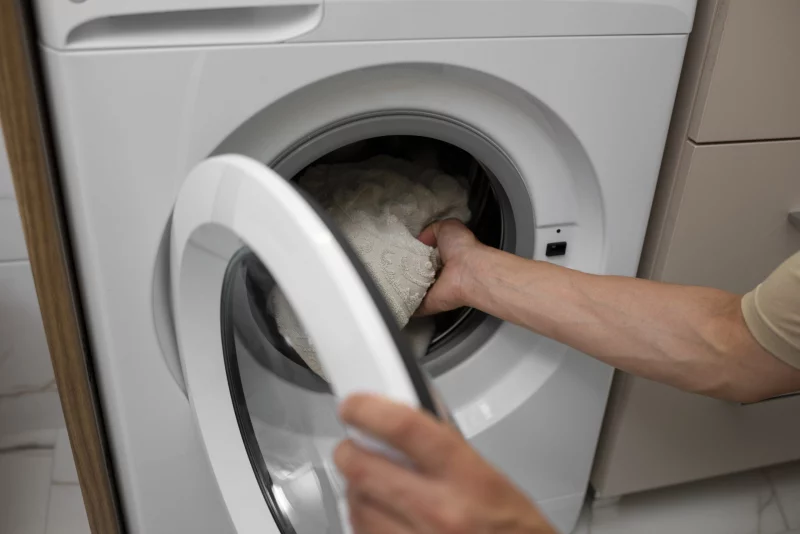
Step 2: Reduce Load Size. Open the washer and remove some items. Avoid overloading and ensure laundry is evenly distributed.
Step 3: Reset the Washer. Press Pause/Cancel twice, then Power once, to clear temporary system errors.
Step 4: Restart a Wash Cycle. Start a new cycle and observe whether the drum rotates smoothly and the washer progresses past the initial stage.
Step 5: Perform a Power Reset (If Needed). Unplug the washer, wait at least 5 minutes, then plug it back in and restart. This allows the control board to fully reset and recalibrate.
When to call a professional technician
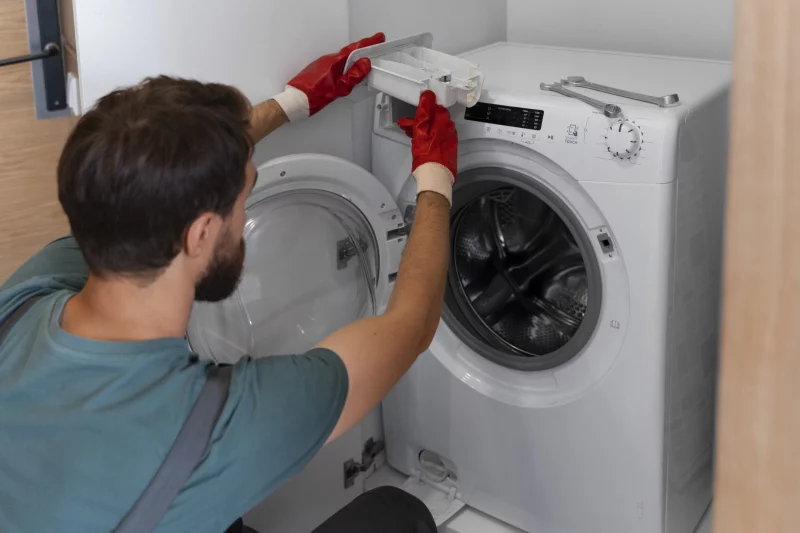
If troubleshooting does not resolve the issue, professional service is recommended. Call a technician if the error continues after removing shipping bolts and adjusting the load, the washer fails to spin or rotate at all, you hear loud or unusual mechanical noises, or the error appears repeatedly across cycles. Curious what a repair like this typically costs? Our washer repair cost guide breaks down typical pricing by issue.
A trained technician may need to inspect and test the motor speed sensor, drive motor, belt or internal drive system, wiring harness connections, and the electronic control board.
Preventing future motor speed errors
- Always remove shipping bolts after installation
- Avoid overloading the washer
- Balance laundry evenly, mixing large and small items
- Inspect the washer periodically for wear, unusual sounds, or vibration
- Address issues early — unusual noises or performance changes may indicate developing problems
Conclusion
The Whirlpool washer F7 E1 error signals a motor speed sensing issue that prevents the washer from achieving proper drum rotation. In many cases, the problem can be resolved by removing shipping bolts, reducing load size, or resetting the washer. If the error persists, it may involve motor, sensor, or control board issues that require professional repair to restore reliable operation.